A safety budget built around a total alone is harder to defend than one tied to operational risk. Getting buy-in for a facility safety budget starts with showing how employee feedback, near-miss reports, and incident records connect to specific hazards and operating costs.
It’s reasonable to expect finance leaders to ask what the investment will prevent, how it supports operations, and whether the full request is necessary. A clear proposal answers those concerns with evidence, a defined use of funds, and practical alternatives, such as phasing work in the highest-risk areas. OSHA’s Safety Pays Program can help estimate injury costs when you’re building the financial case.
This article explains how to build support across departments, prepare for CFO objections, and frame safety spending as a business investment. You’ll also learn how to organize employee and incident data into a focused budget request, so decision-makers can see which risks the proposal addresses, which outcomes you intend to track, and how the work supports operational priorities.
Key Takeaways
- Build support across departments by connecting employee observations to specific workplace risks.
- Prepare for CFO concerns with a clear funding plan, evidence, and practical options for phasing the work.
- Frame proposed safety spending around its effect on incident prevention, efficiency, and business priorities.
- Use incident reports, near misses, downtime, and employee feedback to make the request more specific.
- See how warehouse floor striping and epoxy line painting can support facility safety improvements.
1. Building internal support from departments and workers
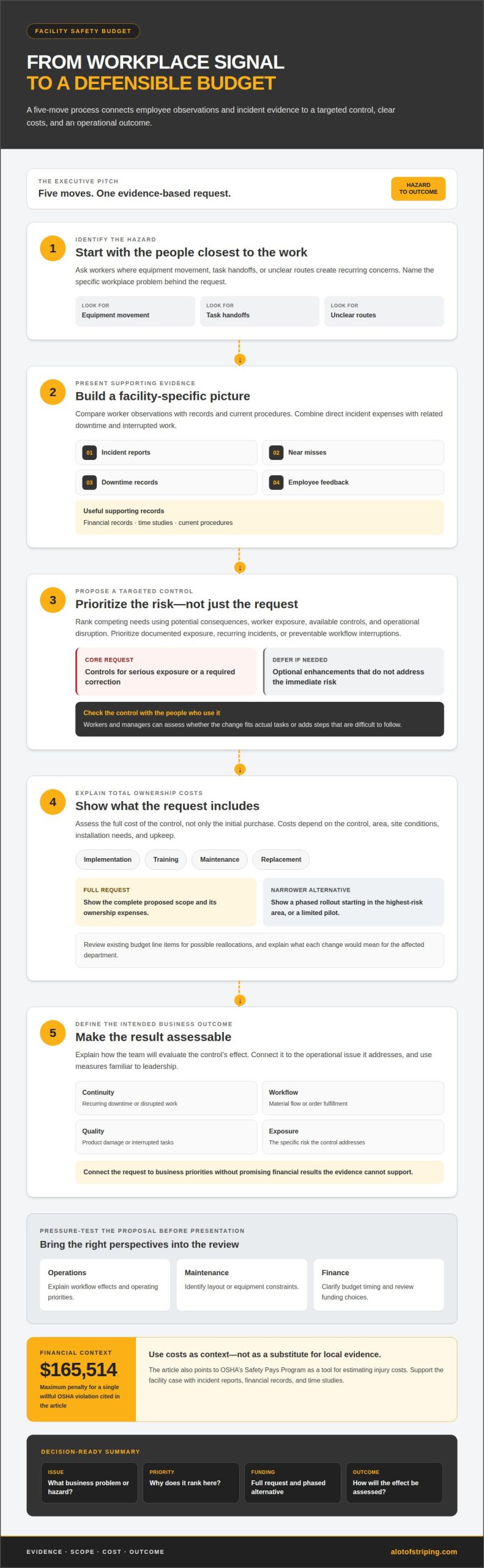
Getting buy-in for a facility safety budget starts with evidence from the people closest to the work. Ask workers where equipment movement, task handoffs, or unclear routes create recurring concerns. Compare their observations with incident reports, near misses, downtime records, and current procedures. This helps leadership understand the specific workplace problem behind the request.
Build support across departments before presenting the proposal. Operations can explain workflow effects, maintenance can identify layout or equipment constraints, and finance can clarify budget timing. Invite workers and managers to review the proposed change. Their feedback can show whether a control fits actual tasks or adds steps that are difficult to follow.
Which facility safety upgrades offer the strongest return on investment? Prioritize improvements tied to documented exposure, recurring incidents, or preventable workflow interruptions. Compare expected risk reduction and operational benefits with implementation, training, maintenance, and replacement expenses.
How much do common facility safety improvements cost? The budget depends on the control, area, site conditions, installation needs, and upkeep. Assess total ownership expenses rather than just the initial purchase, and distinguish essential work from optional improvements.
To estimate injury and incident costs, combine direct expenses with related effects such as personnel or equipment downtime and interrupted work. Use incident reports, financial records, and time studies to establish a facility-specific baseline. According to the Occupational Safety and Health Administration, as of January 15, 2026, a single willful OSHA violation in the United States can carry a penalty of up to $165,514.
Build trust by showing how worker input shaped the recommendation. Explain which reported hazard the proposed control addresses and how the team will evaluate its effect. Getting buy-in for a facility safety budget is more practical when managers and employees can see their concerns reflected in the scope, priorities, and intended outcomes.
Structure the executive pitch in five moves: identify the hazard, present supporting evidence, propose a targeted control, explain total ownership costs, and define the intended business outcome. Close with a phased alternative if full funding isn’t available. This gives leadership a clear decision while keeping the rationale and trade-offs visible.
2. Answering CFO concerns about revenue and competing priorities
A CFO needs to assess how proposed spending affects operating priorities and financial performance. Start with a specific business problem, such as recurring downtime, disrupted material flow, or a hazard in a key work area. Explain what the request funds and how the organization will assess its operational effect. For getting buy-in for a facility safety budget, connect the request to issues executives already track, rather than treating safety as separate from business planning.
Match the proposal to current leadership priorities. If the organization is focused on reliable production, explain how the identified issue affects workflow. If compliance is a priority, identify the relevant requirement and the expense needed to address it. Use familiar measures, such as continuity, quality, and order fulfillment, to make the business connection clear without promising financial results the evidence cannot support.
A risk assessment helps rank competing requests. Consider the potential consequences of each hazard, workers’ exposure, available controls, and operational disruption. Document the basis for each priority, such as recurring reports or a location where people and industrial vehicles share space. This gives executives a defensible way to compare requests across departments and direct spending toward the most urgent needs.
Separate essential controls from useful additions. Put work addressing a serious exposure or required correction in the core request. Defer optional enhancements that don’t address the immediate risk. If full funding competes with other projects, propose a phased rollout that begins in the highest-risk area. A pilot can also define a limited scope for evaluating implementation before expansion.
Review existing budget line items before requesting additional funds. Identify possible reallocations and explain what each change would mean for the affected department. Present the full request alongside a narrower alternative and the operational consequences of postponement. Getting buy-in for a facility safety budget is easier to assess when leadership can compare defined choices, rather than approve or reject one unexplained total.
State and local requirements can affect facility budgets, but applicable rules depend on location and circumstances. NY RWSA and CA SB553 are examples of state legislation relevant to workplace safety compliance. Connect each applicable obligation to its related expense, and distinguish required work from discretionary upgrades.
Keep the final decision brief: state the business issue, priority, funding request, and next approval step. If facility markings form part of the proposed scope, discuss the facility scope as part of planning the request.
3. Presenting safety expansion as a business investment
Present a safety expansion as an investment in measurable operating outcomes, not a stand-alone expense. Connect each proposed control to a business problem, such as recurring downtime, product damage, disrupted work, or employee exposure. The National Safety Council reported that worker injuries cost $167 billion across the United States in 2022. That figure gives executives context, while facility-specific records show where investment can address local risks.
Make the financial case with a clear chain: identify the hazard, describe the planned improvement, and define the outcome to track. For example, if equipment movement repeatedly interrupts work, explain how the proposed change addresses the conflict and which downtime or incident measures will be monitored. Separate expected benefits from established results. This lets leadership assess the case without treating projected savings as guaranteed.
NFPA 51B can provide a legal baseline for a safety-equipment request. If it applies to the proposed investment, name the standard and explain which equipment or hazard the request addresses. Then show the costs included, the intended safety outcome, and how the equipment supports the work. A clear connection makes the standard relevant to the budget decision rather than a reference added without explanation.
Connect a security strategy to specific business problems, too. For example, a distribution operation may need evidence to resolve claims about missing items; video footage can help verify what was shipped. Apply the same practical logic to safety investments: identify the operational issue, show how the proposed control addresses it, and name the result to measure. Highlight effects on continuity, quality, or productivity where facility data supports them.
What OSHA standards require facility safety investments? The applicable requirements depend on workplace hazards and the work being performed, so there is no single upgrade list for every facility. Tie each budget item to the hazard and applicable requirement it addresses.
Delaying a needed investment can leave the identified hazard in place and expose the organization to continued disruption, injury risk, or compliance concerns. Explain the consequences of delay using the facility’s own incident and downtime records, rather than predicting unsupported financial outcomes.
Keep expansion aligned with the organization’s core strengths. If work falls outside employees’ usual skills, assess whether internal capacity can complete it safely and effectively before assigning it in-house. A proposal can compare the resources, training, and operational trade-offs involved, then direct investment toward controls that support reliable core work.
Close with a decision-ready summary: the business problem, proposed investment, total funding needs, intended outcomes, and a lower-scope alternative. If leaders approve expansion in stages, set a review point using the same measures established at the start. This makes the financial case trackable across budget cycles and gives executives a basis for deciding whether further investment remains justified.
4. Using employee feedback, near-miss data, and incident metrics
Executives can assess a safety proposal more clearly when it connects employee observations with operational records. Gather incident and near-miss reports, downtime logs, and injury-related expenses for the area under review. Then identify recurring locations, tasks, or conditions. For example, repeated reports near a loading area may point to a specific traffic or visibility concern worth assessing.
Employee feedback adds detail that incident records may miss. Ask workers which tasks feel difficult, where procedures break down, and what changes could make the workplace safer without disrupting operations. Include employees in safety committees, inspections, audits, training, incident reviews, and risk assessments. These channels turn feedback into practical evidence, such as recurring concerns about a particular work zone.
Use time studies to show how a hazard affects the work itself. Record the steps involved in a task, any delays or interruptions, and where employees encounter exposure. Pair those observations with past EHS data and a risk analysis. This helps distinguish a one-time concern from a pattern that may justify a targeted control or procedural change.
Near misses are useful signals, even when they cause no injury. Record the task, location, conditions, and potential consequence for each report. Encourage employees to report unsafe conditions and near misses as part of continuous improvement. Review those reports alongside injury incidents; repeated near misses in one location may warrant attention before a more serious event occurs.
Employees can perform monthly safety and health inspections at their job locations. Before audits or inspections, train workers to recognize the hazards they are expected to identify. Use a consistent inspection record so observations can be compared over time. For instance, repeated findings in the same aisle provide a clearer basis for action than a single untracked comment.
Executives need measures that connect workplace safety to business performance. Show incident trends, injury-related costs, equipment or personnel downtime, and time spent addressing hazards. Compare the facility’s safety metrics with relevant industry benchmarks and regulatory standards to identify gaps. Keep comparisons like-for-like, since different tasks and operating conditions can make broad averages misleading.
What data and metrics persuade executives to approve a safety budget? A focused proposal combines incident and near-miss patterns, employee observations, downtime, injury-related expenses, and risk-analysis findings. It should also state the proposed action and the specific measures leadership will use to evaluate progress.
Make the final proposal easy to review. Summarize the evidence, affected operations, recommended control, and intended outcome on one concise page, with supporting records available for discussion. If the findings point to a need for clearer facility markings, discuss a facility marking project as part of the next planning step.
StripeGuys Warhouse Line Striping
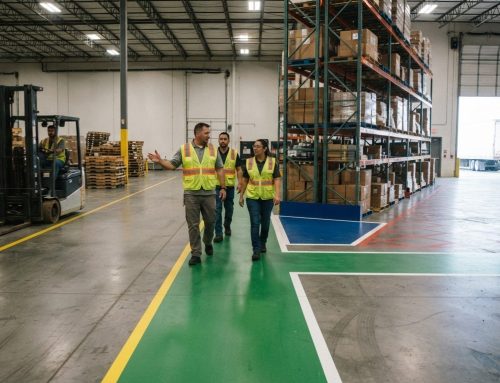
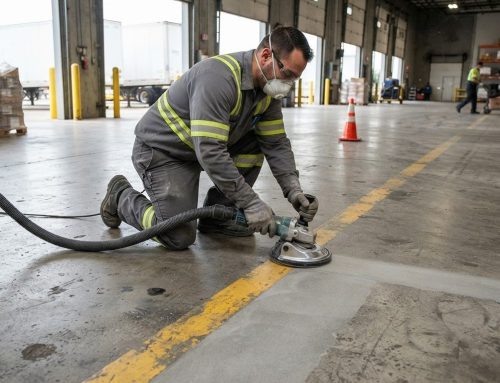
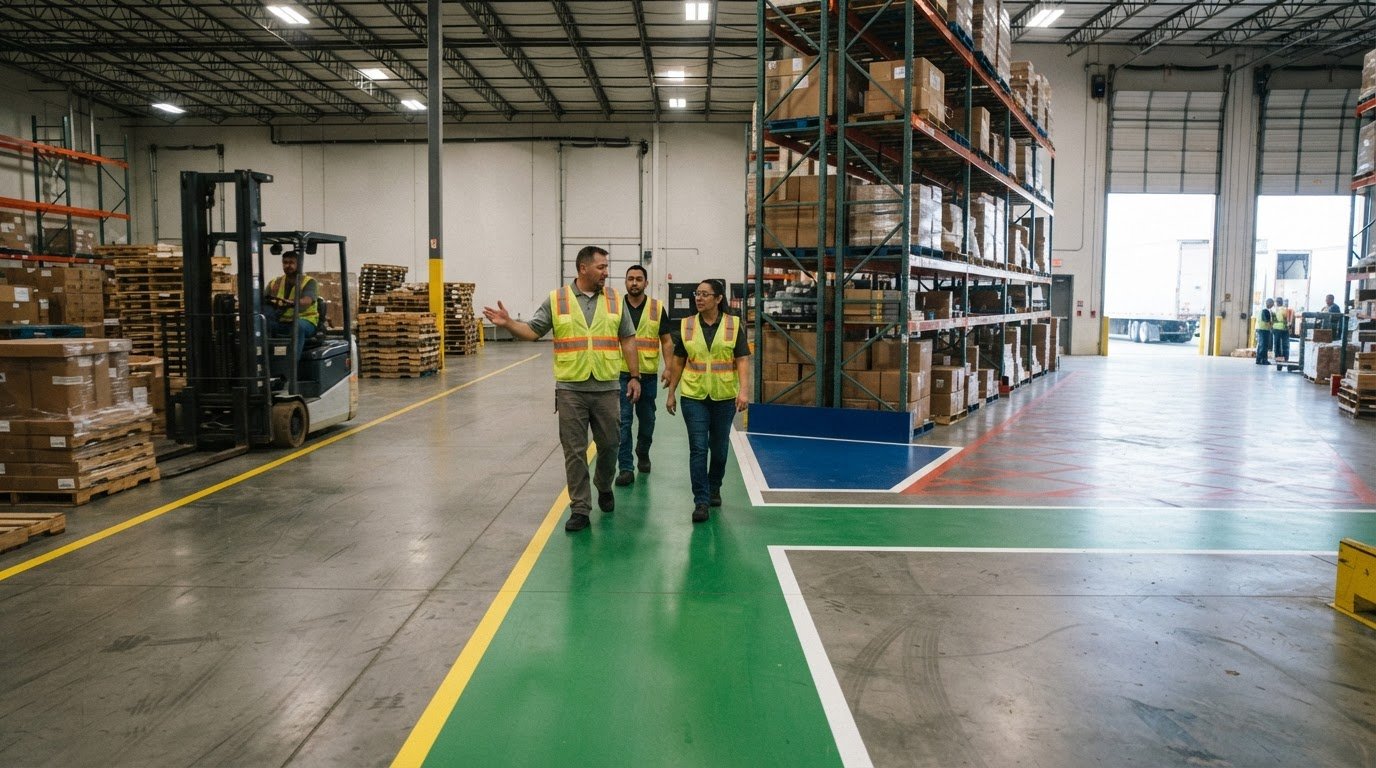
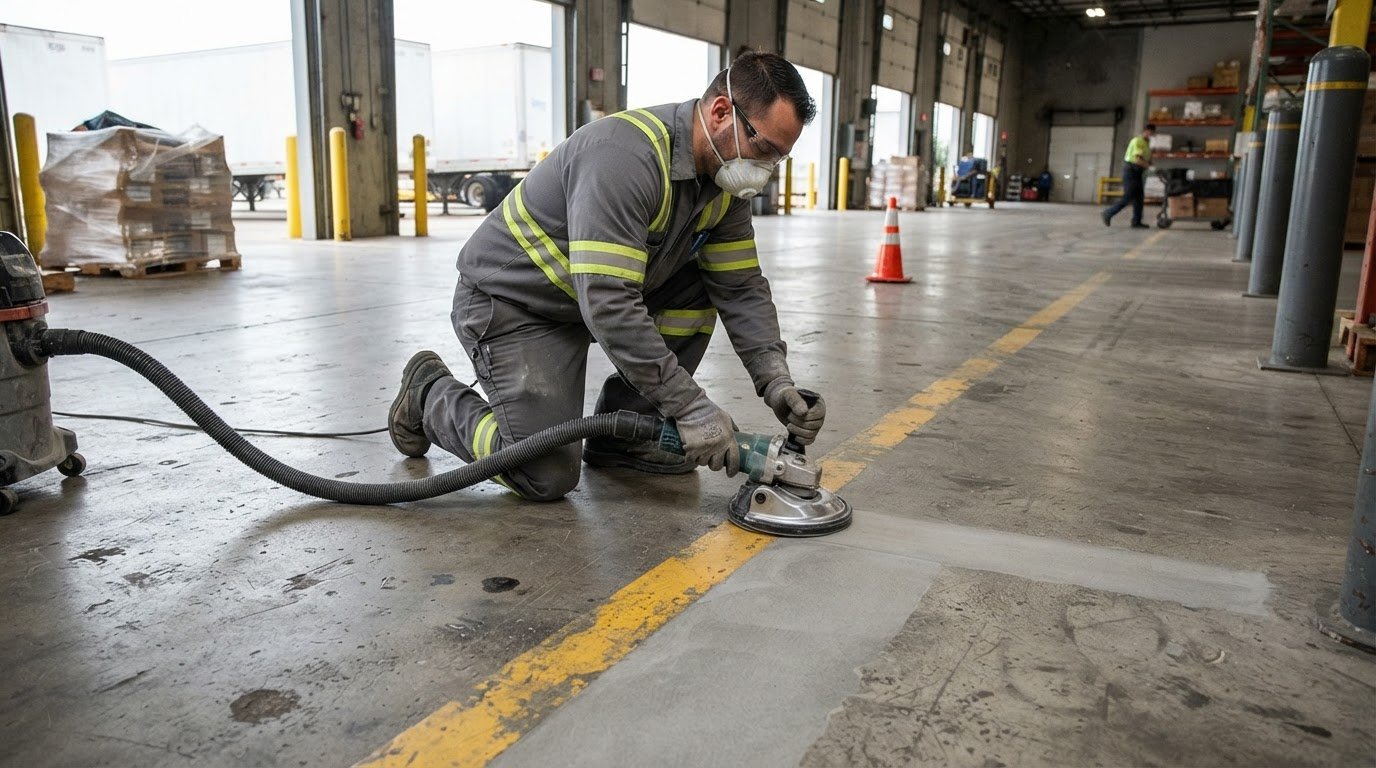
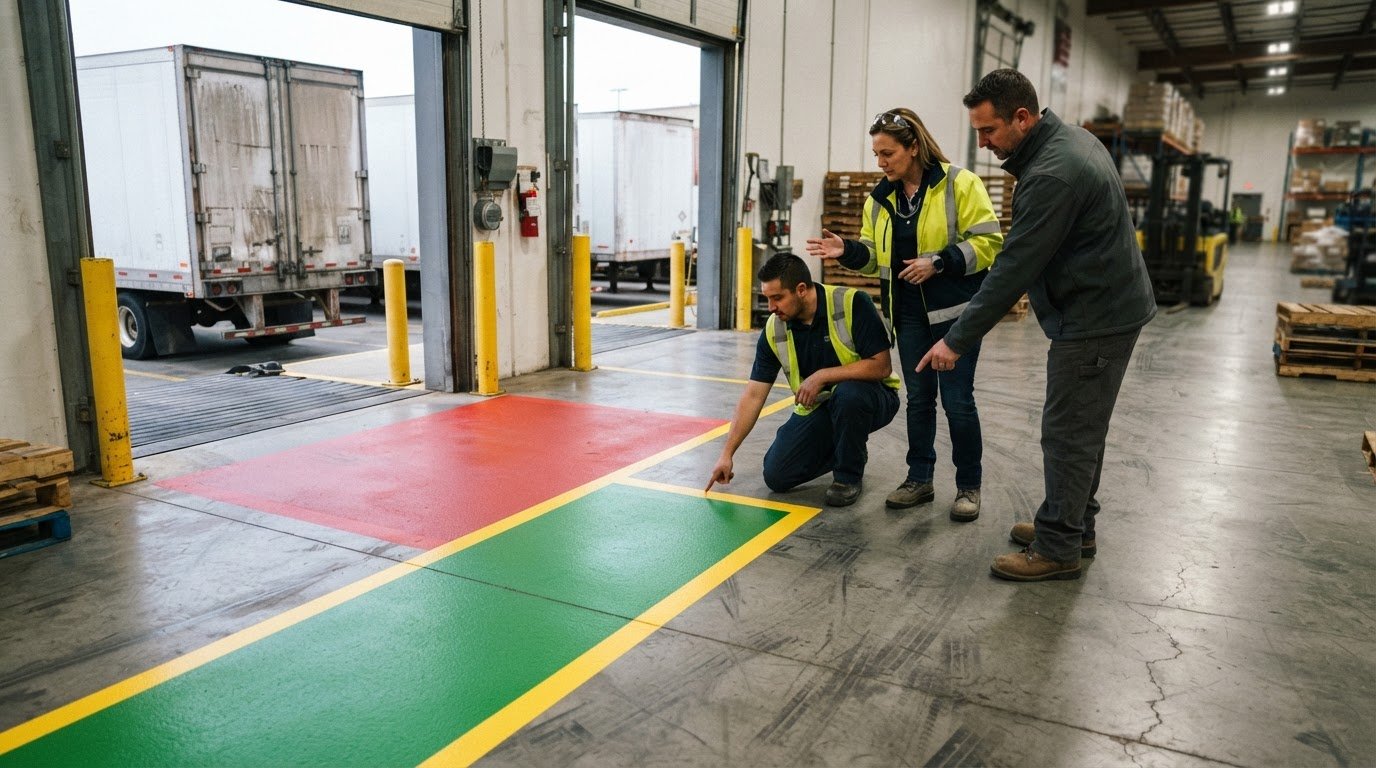
StripeGuys can help turn an approved facility safety plan into clear, practical floor markings. When employee feedback or incident reviews identify unclear travel routes, worn markings, or areas needing a revised layout, its warehouse floor striping, epoxy line striping, parking lot line striping, and line removal can support the planned improvement.
Bring the project scope and relevant facility information into budget planning so the proposed work aligns with operational needs. Clear markings can make routes and work areas easier to identify, helping workers follow the intended layout. The right scope depends on the facility area and the change being implemented.
For a straightforward next step, contact StripeGuys Warhouse Line Striping to discuss your facility marking project.
Put the approved plan into motion
A practical approach to getting buy-in for a facility safety budget continues after approval. Assign responsibility for the next decision, document the agreed scope, and set a review point to assess whether the planned work addresses the identified need. Clear ownership helps prevent an approved proposal from stalling between finance, operations, and facility teams.
Use that review to capture what changed, what remains unresolved, and whether further action belongs in a future budget cycle. Keep the original measures alongside the results, so leadership can make the next decision using consistent information. If priorities shift, document the reason and update the plan rather than letting the work lose direction.
When approved work includes facility markings, contact StripeGuys Warhouse Line Striping to discuss the project scope. A focused next step can keep safety improvements connected to real operating needs. With clear ownership and follow-through, your team can move from a supported budget request to purposeful action.
Frequently Asked Questions
How do you build a business case for a facility safety budget?
Build the case around a defined operational problem, a feasible control, and a clear decision request. For example, if a facility is changing its pedestrian routes, explain which departments are affected, what work must change, and who will own implementation. Include alternatives, such as a limited first phase, and describe what conditions would justify expansion. This gives decision-makers a practical basis for weighing scope against competing capital needs.
How do you estimate savings from reducing workplace injuries?
Estimate potential savings by comparing the facility’s historical injury-related expenses with the costs expected to change after an intervention. Separate costs that can be directly documented, such as recorded medical expenses, from effects that are harder to isolate, such as schedule disruption. Use a conservative scenario and state its assumptions. Review the estimate after implementation against actual records, so future proposals rely on observed results rather than unsupported projections.
How can you prioritize facility safety projects by risk and cost?
Rank projects by the seriousness of the hazard, how workers encounter it, and whether existing controls are effective. Then compare each project’s total scope, implementation demands, and effect on daily operations. A lower-cost task may still need attention if it addresses a severe exposure; a broad upgrade may be phased if its benefits depend on earlier work. Record why each project ranks where it does, so funding decisions remain consistent.
What grants, tax incentives, or insurance discounts can help fund safety improvements?
Potential funding sources depend on the project, organization, and applicable eligibility rules. Treat grants, tax incentives, and insurance discounts as possibilities to investigate, not guaranteed budget offsets. Ask finance to assess tax treatment, review relevant public funding opportunities, and ask the insurer whether documented risk-control measures affect the organization’s policy terms. Keep the core proposal financially viable without assuming any incentive will be awarded.
How should you present a facility safety budget proposal to leadership?
Make the requested decision easy to identify: state the funding sought, the work it covers, and who will be accountable for delivery. Put the main rationale in a concise summary, then organize supporting records by topic, such as operational impact, employee input, and implementation scope. Close with the decision needed and the next planning milestone. This format helps executives review the request efficiently and direct detailed questions to the relevant owner.
Which state and local safety requirements affect facility budgets?
Applicable requirements depend on location and circumstances. NY RWSA and CA SB553 are examples of state legislation relevant to workplace safety compliance.